
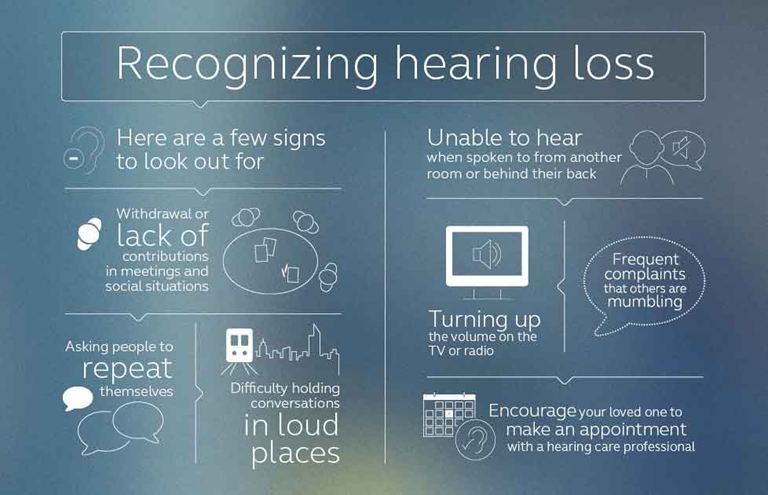
Texas State Hearing Aid Device Center helps you identify the early symptoms of hearing loss so you can address changes before they affect your work, relationships, and safety. Hearing loss usually develops gradually, which makes it easy to ignore or attribute to other causes like distraction or poor speaker clarity. You might find yourself turning up the television volume higher than others prefer, missing parts of conversations in restaurants, or feeling exhausted after social events because of the effort it takes to follow along. These aren't signs of aging you have to accept—they're indicators that your auditory system is no longer processing sound the way it should.
Common symptoms include :
- Frequently asking others to repeat themselves
- Difficulty following conversations, especially in noisy environments
- Turning up the volume on the TV or phone louder than others prefer
- Trouble hearing high-pitched sounds, like voices of children or doorbells
- Feeling like people are mumbling or not speaking clearly
- Ringing, buzzing, or hissing sounds in the ears (tinnitus)
- Difficulty understanding speech over the phone
- Avoiding social situations due to hearing challenges
- Straining to hear, leading to fatigue or frustration
- Missing parts of conversations or responding inappropriately
If you've started avoiding phone calls, skipping social events, or relying on captions to watch shows, schedule a diagnostic hearing test in Abilene or Sweetwater to determine what's changed and what can be done.
Schedule Your Appointment Today!
Why Early Symptoms Shouldn't Be Ignored
Untreated hearing loss doesn't stay mild. The auditory pathways in your brain depend on regular stimulation to stay sharp. When sound input decreases, those pathways weaken, making it harder for your brain to interpret speech even after hearing aids are introduced later. Early intervention preserves your ability to process language and maintain the neural connections that support comprehension. Waiting years to seek help often means a longer adjustment period and less effective outcomes once treatment begins.
After a diagnostic evaluation at Texas State Hearing Aid Device Center, you'll know exactly which frequencies you're missing and how that loss is affecting your daily communication. If hearing aids are recommended, you'll notice that conversations become easier to follow without straining, you're less fatigued at the end of the day, and you can participate in group settings without constantly asking for repetition. Addressing symptoms early also reduces the risk of social withdrawal, depression, and cognitive decline associated with prolonged auditory deprivation.
Symptom recognition is not a diagnosis. Some hearing changes are caused by treatable conditions like earwax impaction, fluid buildup, or infection. A diagnostic test distinguishes temporary blockages from permanent nerve damage and guides the appropriate response. If your symptoms appeared suddenly or are accompanied by pain, dizziness, or drainage, those require urgent medical evaluation beyond standard audiology services.
Questions Patients Have About Hearing Loss Symptoms
Many people in Abilene or Sweetwater wait too long to get tested because they assume their symptoms are normal or not severe enough to warrant professional help.
What are the earliest signs that hearing loss is developing?
Difficulty hearing consonant sounds like s, f, and th, frequently asking people to repeat themselves, and needing higher volume on devices are often the first noticeable changes.
Why does hearing loss make noisy environments so much harder?
Your brain relies on a full range of frequencies to separate speech from background noise, and when higher frequencies are missing, all sounds blend together and become harder to distinguish.
How does tinnitus relate to hearing loss?
Tinnitus is often a symptom of the same inner ear damage that causes hearing loss, as your auditory system generates phantom sounds to compensate for missing input from damaged hair cells.
When should I schedule a hearing test if I notice symptoms?
You should schedule a test as soon as you notice consistent difficulty understanding speech, especially if symptoms have been present for more than a few weeks and aren't linked to a cold or sinus issue.
What happens if I wait years to address hearing loss symptoms?
Prolonged auditory deprivation weakens your brain's ability to process speech, which can make adjusting to hearing aids more challenging and reduce the overall benefit you receive from amplification.
Recognizing symptoms is the first step toward better hearing and a more connected life. Call Texas State Hearing Aid Device Center at (325) 695-1133 to book a diagnostic hearing test and stop guessing about what you're missing.