
Fitted Devices That Match Your Daily Listening
Custom Hearing Aid Fittings in Abilene or Sweetwater for patients whose hearing loss requires amplification tailored to their specific audiogram and lifestyle
Texas State Hearing Aid Device Center provides custom hearing aid fittings in Abilene and Sweetwater that match amplification settings to your unique hearing profile and the environments where you need to hear clearly. This service is for patients whose diagnostic testing confirms hearing loss that interferes with conversation, work, or safety and who need devices adjusted to their ear shape, loss pattern, and daily routines. You work with a hearing specialist who selects devices based on your audiogram, discusses features that support your listening priorities, and programs the hearing aids to amplify only the frequencies you have lost while leaving others unchanged.
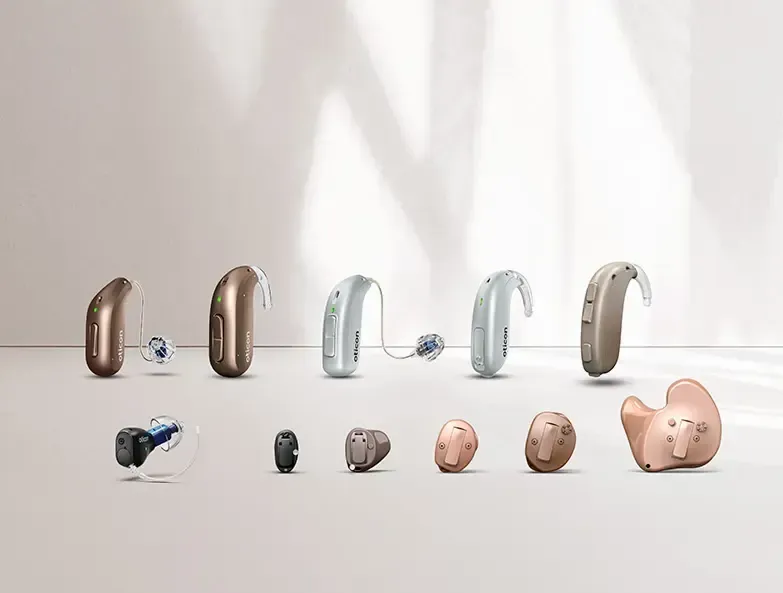
The fitting process begins with selecting a device style, whether behind-the-ear, in-the-ear, or receiver-in-canal models, based on your loss severity, dexterity, and cosmetic preferences. The specialist takes ear impressions if custom molds are needed, programs the devices using real-ear measurement equipment that verifies amplification levels inside your ear canal, and adjusts settings while you wear the devices and provide feedback. You spend time listening to different voices, background noise, and environmental sounds during the appointment to confirm the devices perform as expected before you leave.
If you live in or around Abilene or Sweetwater and need hearing aids fitted to your specific hearing loss and lifestyle, schedule a fitting appointment to receive devices calibrated for your daily needs.
Schedule Your Appointment Today!
Why Proper Fitting Determines Long-Term Success
Hearing aids that are not correctly fitted can produce distorted sound, feedback whistling, or inadequate amplification, leading many patients to stop wearing them. You receive devices that sit comfortably in or on your ears without causing irritation, amplify speech clearly without making background noise overwhelming, and include features such as directional microphones or noise reduction that align with the places you spend time. The specialist explains how to insert, remove, clean, and adjust volume or program settings so you can manage the devices independently.
After your initial fitting, you return for follow-up adjustments within the first few weeks as your brain adapts to amplified sound and you identify specific situations where performance needs refinement. Texas State Hearing Aid Device Center schedules these follow-up visits as part of the fitting process to ensure you achieve the best possible hearing outcomes and feel confident using your devices in real-world conditions.
Proper fitting also includes programming for gradual acclimatization if you have gone years without amplification, so the restored sound does not feel too loud or unnatural at first. The specialist may limit initial amplification levels and increase them over several weeks as your auditory system readjusts. This service does not include repair of devices purchased elsewhere or adjustments to hearing aids not originally fitted by this practice.
Questions Patients Have About Hearing Aid Fittings
Patients preparing for a fitting often ask about device selection, adjustment timelines, and what they will notice immediately versus over time.
How do you choose which hearing aid model is right for me?
The specialist selects devices based on your audiogram, the degree of loss in each ear, your manual dexterity for handling small components, and your listening environments such as quiet home settings versus noisy workplaces or social gatherings.
What should I expect to hear right after the fitting?
You will notice sounds you have not heard clearly in months or years, such as consonants in speech, birdsong, or the hum of appliances, and some of these sounds may seem unnaturally loud until your brain recalibrates over a few days.
How do hearing aid fittings in Abilene and Sweetwater account for local conditions?
Patients in West Texas often spend time outdoors in windy conditions or work in environments with machinery noise, so the specialist programs wind noise reduction and adjusts directional microphone sensitivity to suit those situations.
How long does the fitting appointment take?
A typical fitting session lasts sixty to ninety minutes, allowing time for device programming, real-ear verification, and your questions about use and care of the hearing aids.
Why are follow-up visits necessary?
Your brain needs time to adjust to restored sound, and follow-up visits allow the specialist to fine-tune amplification, address discomfort, and resolve any issues with feedback, clarity, or fit that you notice during daily use.
If your diagnostic testing confirms hearing loss and you are ready to restore your ability to hear conversations and environmental sounds clearly, a personalized custom fitting provides devices calibrated to your specific needs. Contact Texas State Hearing Aid Device Center in Abilene or Sweetwater to schedule your fitting and begin the adjustment process with expert support.